Simple Supplements and Food to Alleviate ADHD
As a mother of four, I spend every day meeting the needs of a diverse family. ADHD, anxiety, and depression are not foreign words to most households these days, and ours is no exception. We want to share how we mitigate the symptoms of these conditions in our home.
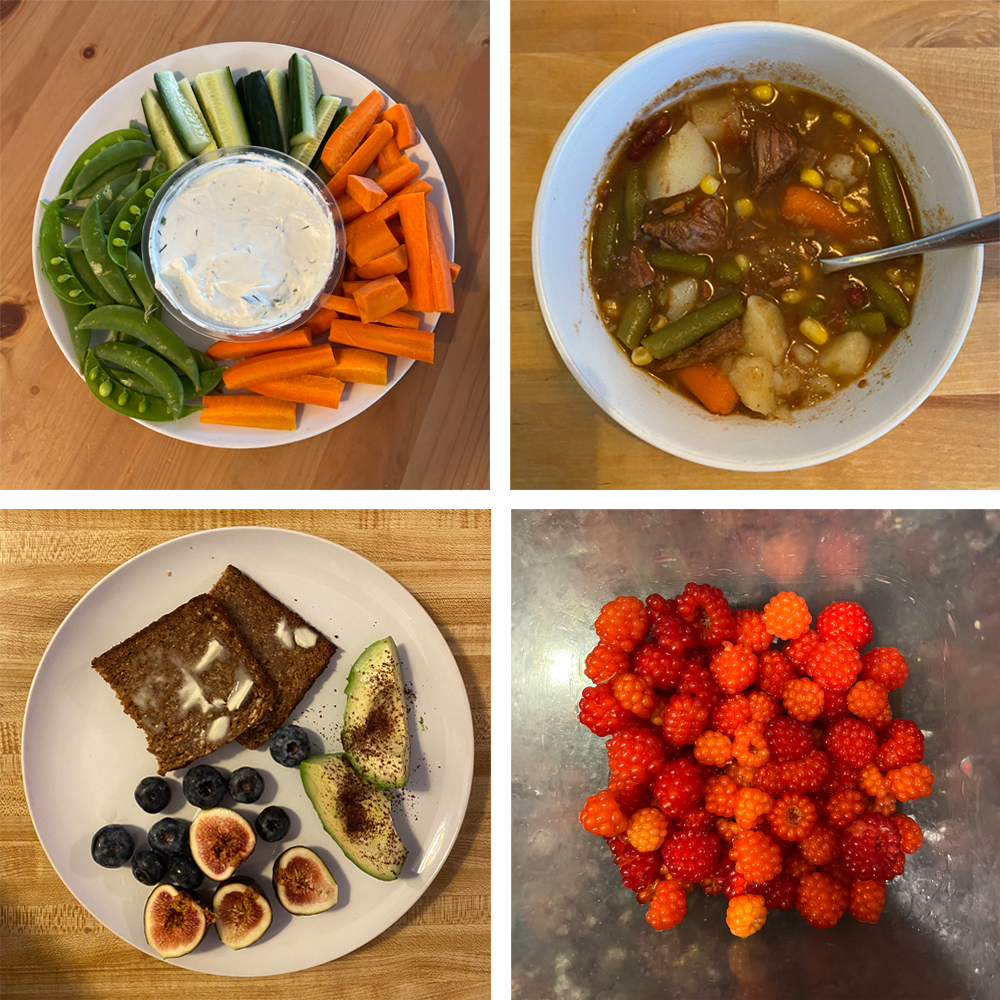
You are what you eat. The foods you consume affect your body chemistry, impacting hormones that influence how your body uses its energy sources (food and fat stores) and upsetting or improving your gut biome, directly impacting mood and mental efficiency. If we eat processed foods—such as vegetables stored in plastic-lined cans, dairy altered by pasteurization, meat from unhealthy animals raised in factory farms, bleached grains, and fruit that is overly sugared—we are deprived of essential nutrients and exposed to added preservatives and flavor enhancers that can be harmful.
We can point you to plenty of resources that dive deeper into the science behind it all, but for me, it is evidence-based. This is what we have tried, and it works. When my son eats in line with this plan and takes his supplements daily, we see a significant decrease in outbursts and an improvement to focus. His impulse control is greatly improved, and, to put it simply, he seems much happier and more confident.
The Fine Print: I am not a doctor. I am not a nutritionist, a psychiatrist, or a professional of any kind except an experienced mom. This is our plan based on trial and error and the test of time. I will link you to some resources below if you want to dig deeper.
Foods We Eat, Foods We Avoid
Processed Grains: For years, we have avoided as much gluten as we could, but we still consumed a decent amount of gluten-free products. Recently, we started making sourdough with organic einkorn flour and have felt really good about this transition. It has made meals a little more fun, and the process of keeping the starter and making the bread has become a fun family activity. The starter can also be used for pancakes, biscuits, and other recipes that use flour. We are consuming a very minimal amount of gluten-free processed foods–basically, just pasta occasionally. While this flour does have gluten, we are eating less processed grains that are often partnered with soy and vegetable oils. And the occasional bread becomes something to celebrate.
Avoid: over processed grains of all kinds, even those labeled gluten-free. They often contain fillers and processed oils.
Try: Homemade sourdough, sweet potato “toasts”, and using potatoes, spaghetti squash, or zoodles in place of pasta and other grain-focused dishes
Pasteurized Dairy: Without going down the rabbit hole, the dairy we buy at the supermarket today is not the dairy our grandparents (great-grandparents?) grew up consuming. Pasteurization changes the macro-nutrients like fat and protein, enzymes, beneficial bacteria, and micro-nutrients, which are reduced and even eliminated. Often, people who are allergic or lactose intolerant find that raw, unpasteurized milk is not only tolerated but is also nutritionally additive to their diet. These important components that are still present are what aid digestion and improve overall immunity. We buy raw milk and raw milk products from a local farm. A glass of raw milk packs a nutritional punch for my son whose brain is sometimes too busy to finish his breakfast.
Avoid: Pasteurized dairy products. Non-dairy milk is also not always the best choice as it often contains seed oils and additives.
Try: Raw milk, or make your own plant-based milk.
Artificial dyes: When my son drank a red slushie from 7-Eleven for the first time, it was as if he took a hit of cocaine. That is no exaggeration. I did not need any more research or science to prove to me that these dyes affect his body chemistry, but there is plenty out there with a quick internet search.
Avoid: Artificially colored foods, e.g. sports drinks, fruit snacks, cold cereals. Read labels! Salty snacks, and even foods meant to appear healthy, contain sneaky dyes.
Try: This is going to sound so lame…but try fruit. Its bright colors, sweetness, and tartness can satisfy a sweet tooth. Make it fun. Let them pick out some wacky looking fruit at the supermarket to try. Arrange a fruit plate in rainbow order. For salty snacks, nuts are pretty straight forward, especially toasted and salted, and homemade popcorn is super easy to make, and you’ll know exactly what you’ve seasoned it with.
Supplements You Can Pronounce1
After a ton of reading about ADHD, trying therapy, listening to a 12 audiobook series, and listening to countless podcasts about neurodivergence and calm parenting, I decided to go hard on supplements. All of that research and learning gave me some insight on food and nutrition playing such a big role in hormone imbalance. There is sufficient scientific evidence that ADHD is caused by an underlying neurobiological metabolic and functional difference in the brain. And metabolic function is directly affected by diet and nutrition. I read up on articles from my favorite functional medicine experts and this vitamin regime has been a game changer:
Morning, after breakfast:
- Vitamin D – 2000 IUs: One study found that vitamin D supplementation improved inattention, hyperactivity, and behavior. Renzo’s Dynamite Vitamin D3 are sugar-free, melt in your mouth, and have very simple ingredients.
- Magnesium – 400 mg: Magnesium can help calm hyperactivity and agitation, which can impact attention. Another study found that vitamin D and magnesium supplementation improved conduct problems, social problems, and anxiety scores in children with ADHD. Dr. Moritz Gummies are sugar free and potent.
- Multi-vitamin: This one closes the gap of the rest of the “alphabet” of vitamins and minerals, which all work together to keep the body and brain moving like a well oiled machine. Mary Ruth’s are high in B6 and B12, and include zinc.
- Zinc – 5.5 mg: Zinc plays a role in regulating neurotransmitters and other processes in the brain. It helps regulate dopamine and is involved in melatonin production and various enzymatic processes that are important for brain function. Mary Ruth’s is a small spray bottle…three pumps does the trick.
Evening, before bed:
- Magnesium – 400 mg: Magnesium can help with relaxation and sleep, which can be challenging for people with ADHD. This is a second dose of 400 mg, so he will take 800 mg in total each day. Dr. Moritz Gummies are sugar free and potent.
- Fish Oil – 1,080 mg: Fish oil contains omega-3 fatty acids, which are essential for brain health. One study found that children with ADHD showed improvements in hyperactivity, inattentiveness, ability to think clearly, and overall behavior by supplementing with omega-3s, which we take at night as they help regulate norepinephrine levels, a chemical that helps bring about REM sleep. Barlean’s Lemon Creme. He calls it lemon pudding and takes it straight from the spoon.
In our journey to support our family’s well-being, we’ve learned that good health often requires some trial and error. By focusing on whole, unprocessed foods and specific supplements, we’ve seen real improvements in our son’s behavior and happiness. Every family is unique, so what works for us may not work for everyone, but we encourage you to find what makes a positive impact in your home. Small changes can lead to big differences. Stay patient, open-minded, and seek reliable resources to guide you.
Sources:
Symptoms of ADHD, Diet and Treatment
What Is Integrative Medicine for ADHD?
- Vitamins are all linked above and are all vegan except for the fish oil. ↩︎



 The Progressive Homesteader
Leave a comment