Discovering Nature’s Bounty Close to Home
When my oldest was a toddler, we lived in a semi-rural part of Long Island in the caretaker’s house of an old estate. The beach was a ten-minute walk from our house, we were surrounded by woods and wildlife, and there were blueberry bushes dripping with fruit at the barn next door.
We also had wineberries growing along the tree line in our yard. When they were in fruit, my daughter would walk inside, open her tiny hand to reveal four or five semi-crushed berries, and ask for cake. I would grab her sticky hand and a bowl, walk to the edge of the yard, gather a few more, plus a couple of ripe blackberries. Then, we would make cake. Those moments—her small voice, the joy in her face, the simple act of picking fruit together—are some of my most cherished memories.
The Beauty of Invasive Bounty
These plants are actually an invasive species, mostly located in states east of the Mississippi River. Some people call it raspberry cane as they grow from long, hairy, thorny shoots. Not always, but invasive usually means hardy—and so you’ll find these berries along the edges of a tree line or a road, where they’ll get sun and it is tough for other species to thrive. You have probably taken a walk or a hike and gotten your sleeve or pant leg snagged by one of its thorns.
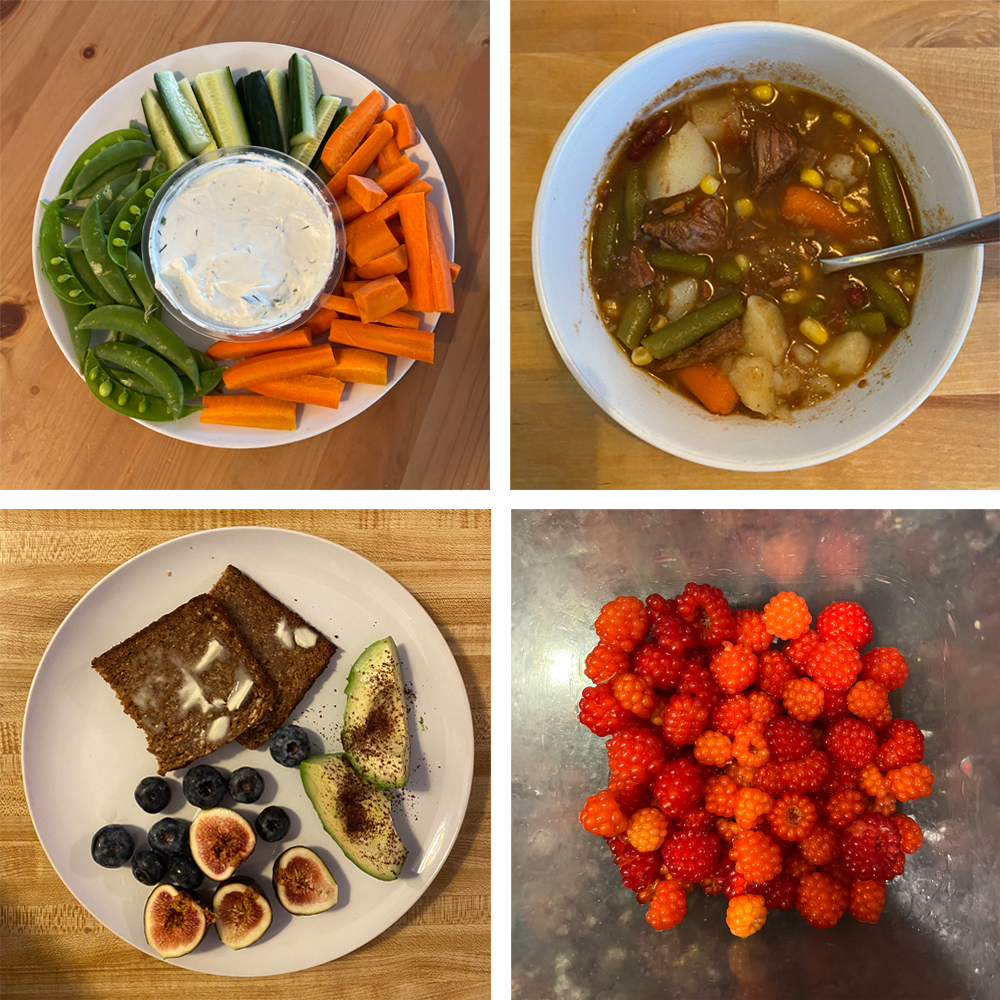
Around May or June, the hairy buds start to take shape, followed by fruit in the warmer summer months. While similar to raspberries or blackberries, the wineberries are smaller and feel sort of waxy or sticky. The fruit is quite tart but tasty.
More Than Just a Snack—A Lesson in Sustainability
Over the years, we have foraged right in our yard for other things, like dandelion and wood sorrel. We never scored meals upon meals’ worth, but the experience provided so much more than sustenance. The kids and I got outside and watched ants and roly-polies going about their day. If we pulled up roots, we might get our hands on an earthworm and talk about how they move and eat.
Foraging has also shaped how my kids see food. We talk about how people may have discovered what was edible and what wasn’t, plants or otherwise. They understand that some things are only available for short windows each year, like certain fruits or fish. When we walk from our house to the harbor to try to catch porgies, we look forward to seeing the wineberry buds taking shape. We remember where the big mound of wood sorrel grew and make plans to make sorrel and potato soup when it arrives again.
A Tradition That Travels With Us
We have moved a few times, but my kids still love to discover the wineberries that have arrived on our suburban block and eat them straight from the bramble. If they have fruit in abundance, we’ll make a simple coffee cake with what is left. Often, we have a few blueberries left in the fridge, so we’ll throw those in as well.
Foraging has become more than a pastime—it’s a way of engaging with nature, understanding seasonal rhythms, and appreciating what the environment provides. It has also deepened our awareness of sustainability, reminding us that food doesn’t always have to come from a grocery store and that nature offers its own gifts if we learn to look for them. It has expanded our palettes and certainly nourished our bodies.
Join the Foraging Conversation
What are some wild plants that grow in your area that mark the seasons? In Louisiana, I remember buttercups in the fields, the pink spray from the mimosa trees, and yellow tops. Are the plants near you edible or have fruits you can eat? It could be a fun tradition to make a special recipe each year when they are in season, or to simply make it a point to go and forage with someone special.
Have you ever tried foraging? I’d love to hear about your experiences! Share your stories in the comments below, and let’s start a conversation about connecting with nature in meaningful ways.
Safety Note: not all plants are edible, even if they look delicious, even if they produce beautiful berries! Please use caution and reference local resources, such as this best practices guide.


 The Progressive Homesteader
Leave a comment